Introduction to Tablets in 2025
The tablet market in 2025 has experienced significant evolution, adapting to the dynamic demands of consumers and technological advancements. Over the years, tablets have transitioned from simple devices designed primarily for media consumption to versatile tools essential for both personal and professional use. This transformation has been accelerated by the increasing integration of advanced features such as augmented reality (AR), artificial intelligence (AI), and enhanced connectivity options such as 5G, allowing for a more immersive and efficient user experience.
In recent years, there has been a notable rise in remote work and online education, with many individuals relying on tablets to facilitate these activities. As portable devices that combine the capabilities of a laptop with the accessibility of a smartphone, tablets are uniquely positioned to support professionals working from home and students engaged in virtual learning. The convenience of touch interface and portability makes them an appealing choice for those who need a device that is both functional and easy to transport.
Moreover, the tablet industry has witnessed a diversification in its offerings, catering to a wider range of use cases. Whether for digital artistry, business applications, or everyday communication, modern tablets are equipped to handle myriad tasks with speed and efficiency. With manufacturers increasingly focusing on integrating larger screens, improved battery life, and advanced processing power, tablets are becoming central to both casual and professional digital experiences. As we delve further into this blog post, we will explore the best tablets available in 2025, highlighting their features and the different scenarios in which they excel.
Top Tablets of 2025: A Comparative Overview
As we explore the tablet market of 2025, it is essential to highlight the key models that stand out due to their performance, features, and value. The leading tablets of this year offer diverse specifications catering to various user needs, from productivity to entertainment. Below, we present a comparative overview of some of the best tablets available this year.
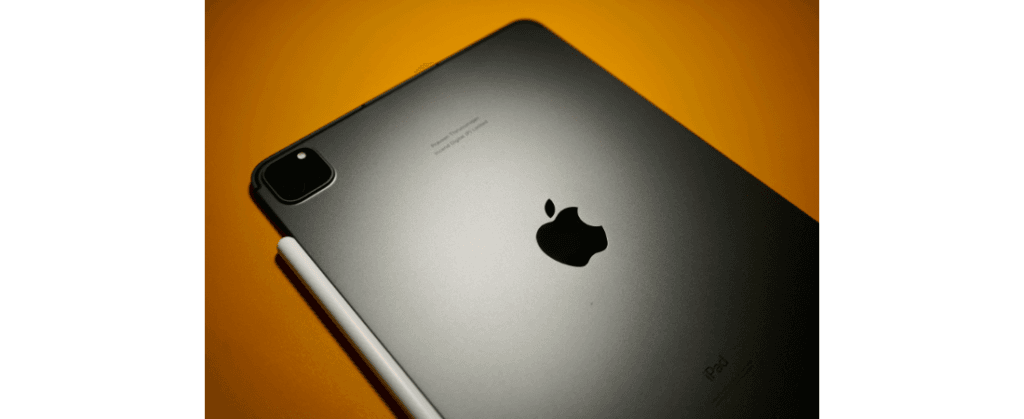
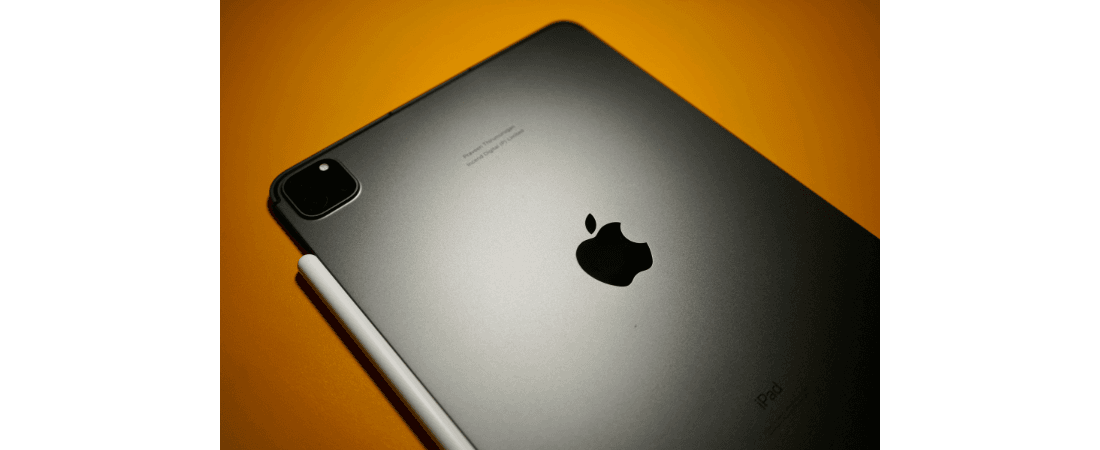
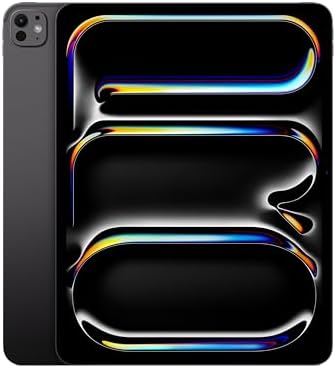
The Apple iPad Pro continues to excel in its category with a Liquid Retina XDR display, providing stunning visuals and exceptional brightness. It is powered by the M5 chip, which enhances its performance for multitasking and demanding applications. Available in 11-inch and 13-inch versions, it also supports the Apple Pencil and Magic Keyboard, making it a top choice for creatives and professionals alike. The price range starts at approximately $899-$1,199.

On the Android side, the Samsung Galaxy Tab S10 Plus offers a robust alternative. Featuring a 12.4-inch Dynamic AMOLED display, it delivers vibrant colors and deep contrasts, ideal for streaming and gaming. The tablet is equipped with the Snapdragon 10th Generation MediaTek processor and comes with a flagship S Pen, making it suitable for note-taking and drawing. Prices for the Galaxy Tab S10 Plus begin around $919-$1,199.

- INNOVATIVE ART POWER: Turn your simple sketches into works of art instantly using Sketch to Image¹ with Galaxy AI.²
- SEARCHING MADE EASY: Quickly search for just about anything you see on your Tab — all without switching apps — using Cir…
- MAKE A LONG STORY SHORT: Capture your lecture, meeting, or daily notes and let Note Assist⁴ with Galaxy AI² do the hard …
For users seeking a versatile Windows experience, the Microsoft Surface Pro 9 stands out. This device combines the functionalities of a tablet and a laptop, thanks to its detachable keyboard and the inclusion of Windows 11. It is powered by the latest Intel processors and offers a range of configurations to fit budgetary needs, with starting prices around $839.

- Introducing Copilot on Windows 11, your everyday AI companion – Copilot empowers you to create faster, complete tasks wi…
- Immersive 13″ touchscreen – Adapts to your surroundings, adjusting the color balance to best suit your environment.
- Hinges on your every move – Adjust the angle with built-in Kickstand, adding Surface Pro Signature Keyboard[1] for insta…
In addition, the Amazon Fire HD 10 remains an attractive option for budget-conscious consumers, offering satisfactory performance for casual use, video streaming, and web browsing. Priced at approximately $139, it is an ideal device for families or those who primarily use tablets for entertainment.

- Do what you love, uninterrupted — 25% faster performance than the previous generation and 3 GB RAM are ideal for seamles…
- High-def entertainment — A 10.1″ 1080p Full HD display brings brilliant color to all your shows and games. Binge watch l…
- Thin, light, durable — Tap into entertainment from anywhere with a lightweight, durable design and strengthened glass ma…
Comparing these tablets illuminates the diversity in the market, where users can find a model that fits their specific requirements and budget, making informed decisions more accessible than ever.
Understanding Tablet Use Cases: Who Needs a Tablet?
As technology evolves, tablets have become essential devices catering to a variety of user needs in 2025. Different demographics utilize tablets in unique ways, highlighting their versatility. Students are one of the primary users of tablets, leveraging these devices for educational purposes. Tablets enable easy access to eBooks, online courses, and collaborative educational tools, making them indispensable for remote learning and group projects. The lightweight design and portability facilitate studying on the go, reinforcing the advantages of using a tablet over traditional laptops or desktop computers.
Professionals also greatly benefit from the functionality offered by tablets. Many tablets today come equipped with robust productivity apps and support for styluses or keyboards. They allow users to manage emails, create presentations, and participate in video conferences seamlessly. In industries like design and architecture, tablets with advanced drawing capabilities support intricate work, offering a more hands-on approach than typical laptops.
Artists and creatives represent another significant segment of tablet users. The digital art landscape has seen exponential growth, and tablets equipped with high-resolution displays and stylus compatibility enable artists to express their creativity without the constraints of traditional media. Graphic design, illustration, and photo editing can be accomplished with precision, providing an efficient way to produce high-quality work.
Gamers, too, find tablets appealing. Compact and powerful models designed for gaming deliver impressive graphics and extensive game libraries, catering to casual and serious gamers alike. The convenience of touchscreen control allows for an engaging gaming experience, while portability means that gaming can happen anywhere.
In conclusion, tablets meet diverse needs across various demographics in 2025, whether for education, professional use, artistic creation, or gaming. Identifying the specific tablet that suits each use case is essential for maximizing the device’s potential and enhancing the user experience.
Key Features to Look for in a Tablet in 2025
As tablet technology continues to advance, selecting the right model in 2025 requires a thorough understanding of the key features that can significantly enhance the user experience. One of the most crucial aspects to consider is the screen size and resolution. Tablets come in various sizes, typically ranging from 7 to 12 inches. A larger screen provides a more immersive experience, especially for gaming and media consumption. However, you should balance size with portability; higher resolution screens, preferably at least Full HD (1920 x 1080), ensure crisp visuals that are essential for tasks like graphic design or watching high-definition videos.
Next, battery life is another critical factor. In 2025, prolonged battery life will increasingly distinguish quality tablets. Opt for a device that can offer at least 10 hours of active use on a single charge, as this ensures reliability whether you are using it for work or leisure. Furthermore, the efficiency of the battery also relates to the processing power of the tablet.
The processing power of the device plays a pivotal role in determining its overall performance, making it vital to look out for devices equipped with advanced multi-core processors and high RAM configurations. This allows for smoother multitasking and a better experience when running demanding applications from gaming to video editing.
Another significant feature to consider is storage options. With tablets increasingly used for various tasks, including professional work and media storage, having sufficient internal storage is essential. Most models now offer options between 64GB to 512GB, with expandable memory options providing further flexibility.
Also, examine the operating system of the tablet. The choice between Android, iOS, or Windows depends on personal preference and intended use. Each operating system offers unique benefits tailored to different kinds of applications.
Lastly, as 5G technology becomes prevalent, look for connectivity features that allow for seamless integration into a connected lifestyle. Enhanced connectivity options guarantee faster internet speeds, making it easier to work and stream content on the go. By focusing on these essential features, you can ensure you choose a tablet in 2025 that meets your needs effectively.
The Role of Operating Systems in Tablets
The operating system (OS) of a tablet plays a crucial role in shaping the overall user experience by dictating performance, application availability, and user interface design. In the tablet market, three primary operating systems dominate: iOS, Android, and Windows. Each of these systems has unique advantages and disadvantages that cater to different user preferences and needs.
iOS, used exclusively on Apple’s iPads, is known for its smooth performance, intuitive interface, and a vast selection of optimized applications. The strong integration between hardware and software contributes to a seamless experience. However, the closed ecosystem can limit customization options and restrict users from accessing certain functionalities compared to other platforms.
Android, on the other hand, is an open-source operating system utilized by various manufacturers, including Samsung, Amazon, and Google. This diversity leads to a wide range of devices at different price points, accommodating various budgets and preferences. Android tablets offer a customizable user interface and access to Google’s extensive app ecosystem, although inconsistent optimization across devices can affect app performance. Moreover, security can be a concern due to the varying update policies among manufacturers.
Windows tablets, such as those from Microsoft, provide a familiar desktop-like experience, allowing users to run full desktop applications. This feature makes them an appealing choice for professionals seeking productivity in a portable format. However, Windows tablets often have a shorter battery life and may be heavier than their competitors. They are also sometimes limited by the availability of touch-optimized apps.
In summary, selecting the right operating system is essential when choosing a tablet, as it significantly influences usability, application access, and overall satisfaction. Each operating system caters to different user needs, further emphasizing the importance of aligning one’s choice with personal requirements and intended use cases.
Evaluating Performance: Processor and RAM Needs
When considering tablet performance, the processor and RAM are pivotal components that significantly influence user experience. The processor acts as the brain of the tablet, dictating its ability to perform tasks efficiently and swiftly. For basic activities such as web browsing and streaming video, a mid-range processor may suffice. However, for more demanding applications like gaming, graphic design, or video editing, a high-end processor is essential. Currently, many tablets in 2025 feature advanced processors, such as Apple’s M1 chip or Qualcomm’s Snapdragon series, which ensure robust performance and longevity.
RAM is equally crucial; it is responsible for allowing multiple applications to run simultaneously without significant performance degradation. A minimum of 4GB of RAM is typically recommended for casual users who primarily engage in web browsing and light multitasking. Conversely, power users who utilize professional applications or frequently switch between demanding tasks may benefit from tablets with 8GB or more RAM. This increased capacity helps to maintain system speed and responsiveness, especially during intensive workloads.
For gamers, the specifications of both the processor and RAM are vital in achieving a seamless gaming experience. Tablets specifically designed for gaming often possess superior graphics processing units (GPUs) along with enhanced RAM, ensuring high frame rates and higher resolution support. Similarly, graphic designers and video editors may require tablets with processing capabilities that support power-intensive software, demanding not only a powerful processor but also ample RAM to handle large files and complex rendering tasks.
In summary, assessing processor speed and RAM needs is essential when evaluating a tablet’s performance. By aligning these specifications with personal usage requirements, users can ensure an optimal experience tailored to their specific activities and preferences.
Choosing Between Tablets and Laptops
When considering the optimal device for personal and professional needs, it is essential to understand the fundamental differences between tablets and laptops. Both devices serve distinct purposes and cater to varied requirements of users, influencing the decision on which to choose.
Portability is one of the key advantages of tablets. Their lightweight design makes them exceedingly easy to carry around, making tablets ideal for users who require mobility, such as students, professionals on the go, or casual consumers who enjoy consuming media anywhere. Tablets can be effortlessly stored in bags and are convenient for different locations, whether in a cafe or during travel.
Touch interfaces also set tablets apart from laptops. While many laptops now offer touchscreen capabilities, tablets are primarily designed for touch interaction, enhancing media consumption and tasks like drawing or note-taking. For creative professionals or students who prefer writing and sketching directly on the screen, a tablet offers significant advantages. Furthermore, the app ecosystem for tablets often includes touch-optimized applications that can deliver an engaging user experience.
In terms of convenience, tablets excel due to their quick startup times, long battery life, and intuitive user interface. They generate less heat, providing a more comfortable user experience during prolonged use. This convenience factor can outweigh the traditional computing power offered by laptops for many users.
However, laptops retain advantages in processing power, multitasking capabilities, and ergonomic design, often leading to them being better suited for productivity-intensive tasks. Features such as full-sized keyboards and larger screen sizes cater to complex applications like video editing or software development.
In summary, the decision between a tablet and a laptop should be informed by individual needs, focusing on mobility, application usage, and type of work or leisure activities that the user intends to pursue. Each device has its unique strengths, and recognizing these can lead to the most satisfactory choice for any user.
Future Trends in Tablet Technology
As we venture further into 2025 and beyond, the tablet technology landscape is poised for innovative transformations, heavily influenced by advancements in various fields. One of the most significant trends is the integration of artificial intelligence (AI). Tablets are expected to become more intelligent, with AI capabilities enabling them to better understand user preferences and behavior. This shift will result in more personalized experiences, from predictive text suggestions to adaptive interfaces that learn from individual usage patterns.
Another notable trend is the evolution of user interfaces. With advancements in haptic feedback and gesture recognition, the way users interact with tablets will become more intuitive and seamless. The incorporation of voice commands and additional tactile feedback systems could create a more holistic interaction experience that extends beyond traditional touch interfaces, making tablets easier and more enjoyable to use.
Foldable designs are also likely to emerge as a prominent feature in future tablets. These devices can transform from a compact size for easy portability to larger screen formats for enhanced usability. The technology behind foldable displays has improved significantly, promising durability and convenience without compromising on performance. This change may cater to a broader range of use cases, from professional tasks to immersive entertainment experiences.
Augmented reality (AR) integration is expected to further revolutionize tablet applications. With improved sensors and imaging technologies, tablets will offer enriched interactions, enabling users to overlay virtual elements into their physical environments. This capability can enhance various fields such as education, gaming, and design, providing immersive learning opportunities and interactive experiences.
In summary, the future of tablet technology promises exciting developments driven by AI, user interface advancements, foldable designs, and augmented reality integration. These enhancements will not only refine the user experience but also broaden the scope of tablet functionalities, making them integral tools in daily life.
Conclusion: Choosing the Right Tablet for You
As we have explored throughout this blog, selecting the best tablet in 2025 involves a variety of considerations tailored to individual needs and preferences. With advancements in technology continuously reshaping the landscape of tablets, it is essential to remain informed about the features and functionalities available in today’s market. Each tablet offers distinct attributes, whether it be high-performance processors, stunning display quality, or expansive storage capacity, making it crucial to evaluate your personal usage scenarios.
Your decision should start with understanding how you plan to use your tablet. For example, if you are primarily looking for a device for entertainment, consider features such as screen resolution, battery life, and audio quality. On the other hand, if productivity is your main focus, look for tablets with stronger processing power, compatibility with productivity software, and multitasking capabilities. Additional factors like portability and stylus support may also influence your purchase, particularly for those engaging in creative endeavors or note-taking.
Furthermore, consider your budget, as tablets range widely in price and capabilities. It is important to find a balance between what you need and what you can afford. Take into account not only the initial cost but also potential long-term expenses such as accessories or software subscriptions. Reading reviews and comparison articles can also aid in making an informed decision, as understanding the experiences of other users can highlight both the strengths and weaknesses of each tablet.
In conclusion, choosing the right tablet involves careful consideration of your unique needs, the ongoing advancements in technology, and available options. By thoughtfully reflecting on how you plan to use your tablet, you can ensure that your investment wisely meets your requirements and enhances your digital experience.