Understanding Online Shopping Trends
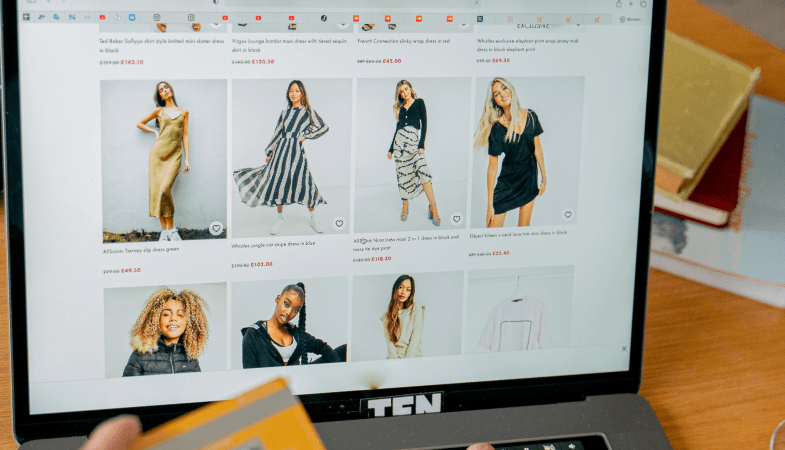
The landscape of online shopping has evolved dramatically over recent years, driven by advancements in technology and changes in consumer preferences. As shopping behavior continues to shift, it is essential to recognize trends that have significantly reshaped the online shopping experience. One of the most notable influences has been the advent of social media platforms, which have transformed how consumers discover and interact with their favorite items. Through targeted advertisements and influencer collaborations, brands can now reach consumers in a more engaging and personalized manner, significantly enhancing their online shopping experience.
Furthermore, mobile shopping has emerged as a key player in the evolution of online shopping. With the proliferation of smartphones, consumers can browse and purchase products conveniently from virtually anywhere. This ease of access has led to an increase in impulse shopping, as potential buyers can acquire items immediately after discovering them, thus altering traditional shopping behaviors. The integration of mobile payment solutions has further streamlined this process, allowing for faster transactions and a seamless shopping experience.
Technology has also introduced numerous innovations to enhance consumer engagement and satisfaction. The use of artificial intelligence (AI) in online shopping has improved product recommendations, tailoring suggestions to individual preferences and past purchases. Virtual reality (VR) and augmented reality (AR) technologies are also becoming increasingly popular, enabling consumers to visualize products in their own environment before making purchases. These advancements not only enrich the shopping experience but also empower consumers to make informed decisions, fostering confidence in their online shopping journey.
As we explore ways to elevate your online shopping experience and acquire your favorite items for any occasion, understanding these trends becomes crucial. By recognizing how technology, social media, and mobile shopping shape consumer behavior, one can implement effective online shopping strategies that resonate with current market dynamics.
Identifying Your Needs: Occasion-Specific Shopping
Understanding your shopping requirements is essential in significantly enhancing your online shopping experience. Each occasion—be it a holiday, a birthday, or a seasonal event—calls for specific items that fit the theme or purpose of the celebration. By identifying your needs related to each occasion, you can streamline your approach and ensure that your shopping endeavors yield satisfying results.
To begin with, creating a shopping list that outlines what you actually need for each occasion can be incredibly beneficial. Start by reflecting on the event in question. Are you hosting a festive dinner for Thanksgiving, looking for gifts for a child’s birthday, or preparing for a summer barbecue? Each situation comes with its own unique requirements. Jotting down your ideas helps you focus on gathering only the most relevant items, which not only saves time but also reduces the overwhelming feeling that can come from browsing countless products online.
In addition to physical items, consider digital products, gift cards, or even experiences that may suit the occasion. Expanding your list to include these alternatives not only showcases your creativity but also elevates your online shopping experience by broadening your options. When you have a clear perspective on your shopping needs, it becomes simpler to implement effective online shopping strategies that lead to the successful acquisition of your favorite items.
Furthermore, being occasion-specific allows you to set a budget for your purchases, which can help in making informed decisions while avoiding impulse buys. Careful planning will ultimately lead to a more gratifying shopping experience, as you will find what you are looking for more efficiently and with a greater sense of purpose.
Budgeting for Online Shopping: Smart Spending Strategies
Budgeting is a crucial aspect of enhancing your online shopping experience, as it ensures that you spend wisely while still acquiring your favorite items. One of the first steps in developing a shopping budget is to establish how much you can afford to spend without compromising your financial stability. This requires a careful assessment of your monthly income, expenses, and any savings goals. Once you have a clear understanding of your budget, you can implement various smart spending strategies that will help you stick to it.
One effective strategy is to leverage price comparison tools available online. These tools allow you to easily compare prices from different retailers, ensuring that you are making informed decisions and getting the best possible deals on your favorite items. Additionally, setting up alerts for price drops or sales can help you maximize your budget by allowing you to purchase items when they are at their lowest prices.
Tracking your expenses is another vital component of successful budgeting for online shopping. By maintaining a detailed record of your purchases, you can gain insights into your spending habits, which can inform future decisions. Numerous budgeting apps and tools can assist in tracking your expenses in real-time, empowering you to make adjustments as necessary and avoid overspending.
Utilizing sales and discounts effectively is a further strategy that can considerably elevate your online shopping experience. Always keep an eye out for seasonal sales, promotional offers, and coupons when making purchases. Subscribing to newsletters from your favorite retailers can also provide you with exclusive access to discounts and early sales notifications. By being strategic and disciplined in your approach, you can stretch your budget further while securing your desired items without excessive financial strain.
Leveraging Technology: Tools and Apps for Savvy Shopping
In the contemporary landscape of online shopping, consumers are presented with a myriad of tools and applications designed to enhance their shopping experience. These technological innovations aim to simplify the process of acquiring favorite items while optimizing both time and budget. By incorporating these resources into your routine, you can significantly elevate your online shopping experience.
Price tracking apps stand out as essential tools for any savvy shopper. These applications allow users to monitor the prices of specific items over time, alerting them when the price drops to a desired level. Popular apps such as Honey and CamelCamelCamel empower users to make informed purchasing decisions, ensuring they do not miss out on excellent deals. By effectively tracking prices of various products, consumers can be confident they are getting the best value during their online shopping ventures.
In addition to price tracking, reward programs offered by many retailers can provide significant benefits. Apps like Rakuten and Swagbucks facilitate cashback and reward points for purchases made online. By signing up for these programs, shoppers can accumulate benefits while purchasing their favorite items, ultimately enhancing their overall shopping experience. Furthermore, loyalty programs often grant exclusive access to sales and promotions, making it easier to nab coveted items at a fraction of the cost.
Moreover, certain browser extensions can streamline the process of finding coupon codes. Extensions such as RetailMeNot and Honey automatically search for and apply the best discounts available at checkout. This technology saves time and effort, allowing users to focus on selecting their preferred items rather than hunting for deals. By integrating these tools into your online shopping strategies, you can enjoy a more efficient and cost-effective approach to acquiring your favorite items.
Mastering the Art of Online Research: Finding the Best Products
In the realm of online shopping, conducting thorough research before making a purchase is critical for ensuring a satisfying shopping experience. One of the primary strategies involves reading reviews from previous customers. These reviews provide insights into the quality, usability, and durability of products, allowing potential buyers to gauge whether a particular item aligns with their expectations. Online platforms often feature a variety of opinions, ranging from highly positive to critical, thereby painting a comprehensive picture of the product’s performance.
Another essential step in enhancing your online shopping strategies is comparing products. Many websites feature side-by-side comparisons, helping shoppers evaluate specifications, features, and prices to find the best deals on their favorite items. This approach can uncover hidden gems that might otherwise go unnoticed. Utilizing comparison tools or websites dedicated to aggregating product information can further streamline this process.
Additionally, checking product ratings plays a fundamental role in your decision-making journey. A higher rating often correlates with greater customer satisfaction and product reliability. However, it is essential to remain vigilant and consider the total number of ratings when assessing a product’s overall quality. A product with a high rating but only a handful of reviews may be less reliable than one with numerous ratings averaging a solid score.
Lastly, exploring user-generated content, such as photos and videos from actual purchasers, can significantly elevate your online shopping experience. These real-life examples provide context and visual proof of how products perform in everyday scenarios, guiding you toward items that meet your needs. By incorporating these strategies—reading reviews, comparing products, checking ratings, and exploring user-generated content—you can navigate the online shopping landscape with confidence and ensure that the items you select are of the highest quality.
Creating a Winning Wishlist: Keeping Track of Favorite Items
A well-maintained wishlist can significantly enhance your online shopping experience by allowing you to keep track of your favorite items and organize them efficiently. Most e-commerce platforms feature a wishlist option that enables you to save products you are interested in without making immediate purchases. Utilizing this feature can provide a structured way to manage your desired items, especially when shopping for specific occasions such as birthdays, holidays, or other celebrations.
To optimize the impact of your wishlist, consider categorizing items based on various occasions. For example, you might create separate lists for gifts, home décor, fashion, or even seasonal needs. By doing so, you not only streamline your shopping process but also make it easier to locate items relevant to specific events. Furthermore, this organization helps in monitoring trends and price fluctuations on your favorite products, which is a crucial online shopping strategy.
Another key advantage of utilizing a wishlist is the opportunity to observe price changes over time. Many online retailers offer tools or notifications when certain items go on sale or when stock levels change. By regularly checking your wishlist, you can stay informed about these developments and make more informed buying decisions, thus avoiding impulsive purchases. This proactive approach enables you to acquire the items you truly desire while adhering to your budget.
Ultimately, mastering the art of creating and managing a wishlist is an effective method to elevate your online shopping experience. By thoughtfully tracking your favorite items, categorizing them by occasion, and monitoring price changes, you can enhance your overall satisfaction when shopping online. Embracing these strategies will ultimately lead to more prudent and fulfilling purchases tailored to your lifestyle and needs.
Navigating Return Policies and Customer Service: What to Know
When engaging in online shopping, understanding return policies is vital for ensuring a satisfying shopping experience. Different retailers have varying policies, and familiarizing oneself with these can help avoid potential inconveniences. Generally, most online stores offer a return window ranging from 15 to 90 days, allowing customers to return items that do not meet their expectations. However, it’s essential to check if the policy includes any conditions, such as ensuring products are unopened or in their original packaging, as this could affect the ability to receive a full refund.
Furthermore, consumers should be aware of restocking fees, which may apply to specific items, especially electronics and opened merchandise. Clear knowledge of the return process, including whether the return shipping is free or at the customer’s expense, can significantly influence the overall online shopping experience. In addition to return policies, understanding exchange processes is equally important. Many retailers allow exchanges for different sizes or colors, and ensuring this process is straightforward will enhance customer satisfaction.
In instances where issues or questions arise, effectively communicating with customer service is paramount. To reach customer support, shoppers can utilize various channels such as email, live chat, or telephone. Before reaching out, it is advisable to prepare relevant information, such as order numbers and the specifics of the issue, to facilitate a quicker resolution. Additionally, maintaining a respectful and patient demeanor can often yield better results, as customer service representatives are more likely to assist those who are courteous.
By understanding return policies and knowing how to engage with customer service effectively, shoppers can navigate potential challenges and enhance their online shopping experience, enabling them to acquire their favorite items with greater confidence.
The Role of Social Media in Discovering New Products
Social media platforms have become a significant driver of trends in online shopping, transforming how consumers discover new products and make purchasing decisions. With millions of active users engaging daily, platforms such as Instagram, Facebook, TikTok, and Pinterest offer unique spaces where brands can showcase their products in a visually appealing manner. The ease with which users can scroll through curated feeds makes these platforms an excellent resource for individuals seeking to elevate their online shopping experience.
Influencers play a pivotal role in shaping shopping habits, as they possess the ability to reach vast audiences and build trust with their followers. Many consumers rely on influencers to offer reviews, demonstrations, and real-life applications of various products. These influencer partnerships often lead to the promotion of exclusive discounts or limited-time offers, effectively driving sales while allowing consumers to acquire their favorite items at a more accessible price. By following targeted influencers, users can gain insight into new releases and hidden gems, thus enhancing their online shopping strategies.
Moreover, targeted advertisements on social media also contribute significantly to product discovery. Algorithms curate personalized ad experiences based on users’ past behaviors, preferences, and interactions, effectively presenting relevant products that align with their interests. This targeted approach not only simplifies the shopping experience but increases the likelihood of converting potential customers into buyers. By leveraging social media for product exploration, consumers can efficiently find and purchase their favorite items, maximizing the potential of digital retail.
In conclusion, the integration of social media into the retail landscape has changed the dynamics of online shopping significantly. It has empowered consumers to discover and connect with new products effortlessly, establishing a direct link between marketing strategies and consumer engagement.
Staying Safe While Shopping Online: Tips for Security
As the popularity of online shopping continues to rise, ensuring a safe shopping experience has become paramount for consumers. The convenience of acquiring favorite items from the comfort of one’s home should not come at the expense of security. Implementing effective online shopping strategies is essential to protect personal information and financial data during transactions.
First and foremost, it is critical to identify trustworthy websites. Before making a purchase, shoppers should verify the website’s security measures, such as the presence of HTTPS in the URL. This indicates that the website uses encryption to protect sensitive information. Additionally, reading consumer reviews and verifying seller ratings can help determine the reliability of the site. Preferentially shopping from reputable retailers can significantly reduce the risk of encountering fraudulent platforms.
Another key aspect of securing online shopping is the method of payment utilized. Adopting secure payment methods, such as credit cards or trusted payment services, offers added protection against unauthorized charges. Credit cards often come with fraud detection services and the ability to dispute charges, providing an extra layer of security. Avoiding direct bank transfers or wire transactions with unknown sellers can help mitigate risks associated with potential scams.
Additionally, consumers should stay vigilant against scams, including phishing attempts and counterfeit websites. Shoppers should be cautious about unsolicited emails or messages promoting unbelievable deals, as they often entice individuals to provide personal information. It is advisable to navigate directly to the retailer’s website instead of clicking on links from emails or advertisements. Employing strong, unique passwords for shopping accounts can also enhance security, minimizing the likelihood of unauthorized access.
Adopting these security strategies not only increases the safety of online transactions but also contributes to a more enjoyable shopping experience. By remaining informed and cautious, consumers can confidently engage in online shopping, secure in the knowledge that they are taking proactive steps to protect themselves.
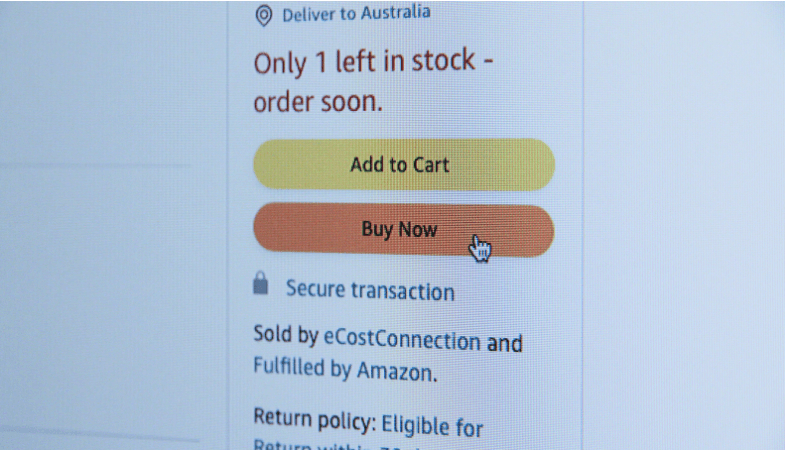
I really enjoy using Amazon because it’s the best and most dependable website for my shopping needs.









![AINOPE USB to USB C Cable [2-Pack, 6.6ft] 3.1A Type C Charger Fas...](https://m.media-amazon.com/images/I/416427ViNQS.jpg)