As an Amazon Associate, we receive a commission on every qualifying purchase. We’re so glad you’re reading and supporting us! We only recommend products that are honest and have been tried and tested by us.
The Evolution of Gaming Consoles
Gaming consoles have significantly transformed the landscape of entertainment since their inception in the early 1970s. Initially designed for simple interactive games like Pong, consoles have grown into immersive platforms. They deliver visually rich experiences across various home and portable formats. Over the decades, technological advancements have produced a myriad of gaming consoles. These include home consoles, handheld devices, and hybrid systems that combine features of both.
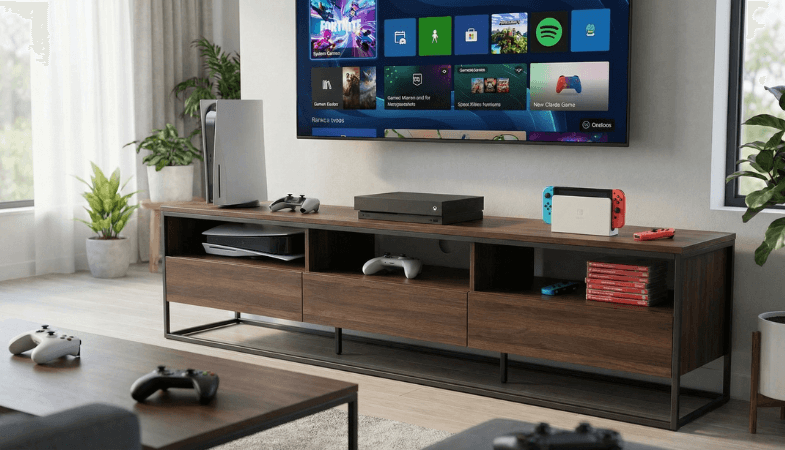
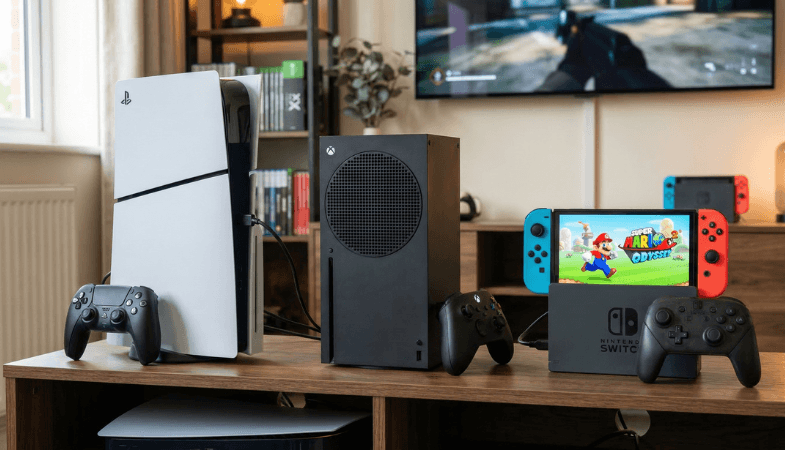
Consumers now rely on home consoles, including PlayStation, Xbox, and Nintendo Switch, as household staples. They offer convenient gaming in the comfort of living rooms. These systems connect to televisions to deliver high-definition graphics. They feature online multiplayer and a vast library of games across genres. Over the years, home consoles have gained new features. These include streaming capabilities and virtual reality support, enhancing their appeal. They also improve functionality for users.
In contrast, handheld consoles like the Nintendo 3DS give gamers the freedom to play on the go. The PlayStation Vita is part of this movement. These portable devices offer a unique experience, featuring compact designs and a range of exclusive games. Their ability to deliver quality gameplay outside of traditional gaming environments has solidified their place in the gaming world.
Moreover, hybrid consoles such as the Nintendo Switch have blurred the lines between home and handheld systems. These gaming consoles let players transition easily from television to handheld mode. This flexible setup meets diverse gaming preferences across various scenarios. The evolution of gaming consoles continues to shape the gaming industry, reflecting changes in technology and consumer expectations.
Investigating the features and the fun they offer, along with the future direction of gaming consoles, shows clear trends. This sector will continue captivating users worldwide.

- PlayStation Spectral Super Resolution (PSSR) Get super sharp image clarity on your 4K TV using AI enhanced resolution fo…
- Optimized Console Performance Reach higher and more consistent frame rates for silky smooth gameplay with support for 60…
- Advanced Ray Tracing Experience next level realism with ray traced reflections, shadows, and high-quality global illumin…

- Play Your Game Collection with Remote Play – PlayStation Portal Remote Player can play compatible games you have install…
- Cloud Streaming from the Game Catalog and Classics Catalog – Discover an awesome library of PS5 games on the PlayStation…
- Cloud Streaming for PS5 Games in Your Library – With PlayStation Plus Premium, stream select digital PS5 games in Your L…
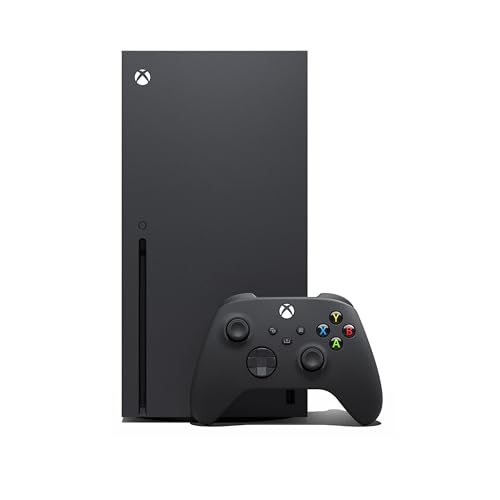
- FASTEST, MOST POWERFUL XBOX — Experience next-generation performance with 12 teraflops of processing power, delivering s…
- TRUE 4K GAMING UP TO 120 FPS — Enjoy breathtaking visuals with true 4K resolution, HDR, and frame rates up to 120 FPS, p…
- 1TB CUSTOM SSD AND XBOX VELOCITY ARCHITECTURE — Reduce load times dramatically with the custom 1TB NVMe SSD and XBOX Vel…
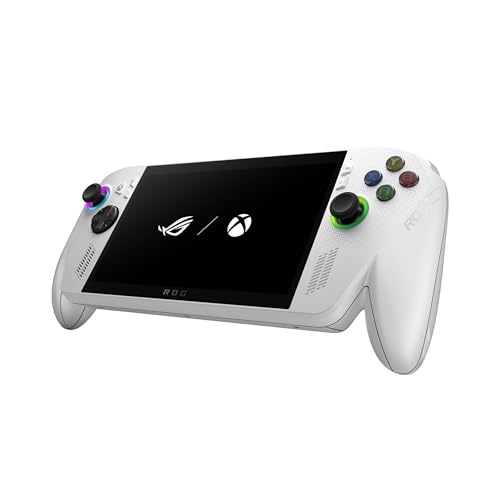
- XBOX EXPERIENCE BROUGHT TO LIFE BY ROG The Xbox gaming legacy meets ROG’s decades of premium hardware design in the ROG …
- XBOX GAME BAR INTEGRATION Launch Game Bar with a tap of the Xbox button or play your favorite titles natively from platf…
- ALL YOUR GAMES, ALL YOUR PROGRESS Powered by Windows 11, the ROG Xbox Ally gives you access to your full library of PC g…

- This bundle includes a system and a full GAME DOWNLOAD for the Mario Kart World game, exclusive to Nintendo Switch 2. Li…
- One system, three play modes: TV, Tabletop, and Handheld
- Larger, vivid, 7.9” LCD touch screen with support for HDR and up to 120 fps
Advantages of Using Gaming Consoles
Gaming consoles have emerged as a primary entertainment platform. They offer several benefits to users that make them a preferred choice for many gamers. One of the foremost advantages is their ease of use. Unlike gaming PCs, which may require complex configurations and constant updates, consoles provide a plug-and-play experience. Users can simply connect the console to a TV, insert a game disc or download a game, and start playing without the hassle of extensive setup procedures.
Another significant benefit is the expansive library of games available on these devices. Consoles house numerous titles ranging from AAA blockbusters to indie gems, fostering a diverse gaming ecosystem. This vast selection caters to different tastes and preferences, ensuring that gamers of all ages can find something enjoyable. Exclusive games on many consoles are not available on other platforms. This boosts their appeal and offers unique gaming experiences.
Social connectivity is another advantage of owning a gaming console. Most modern consoles are equipped with online capabilities that allow players to connect with friends and other gamers worldwide. Through online play, individuals can collaborate or compete, forming friendships and communities around shared gaming interests. This social aspect adds an extra layer of enjoyment and transforms gaming into a group activity.
Accessibility is a notable point as well. Consoles are often more cost-effective than gaming PCs, which require substantial investment in hardware and peripherals. Consoles generally offer uniform performance across titles. A PC’s performance depends on user specifications. Those seeking an affordable, user-friendly gaming option will find it in consoles. A gaming console can be an ideal choice for them.
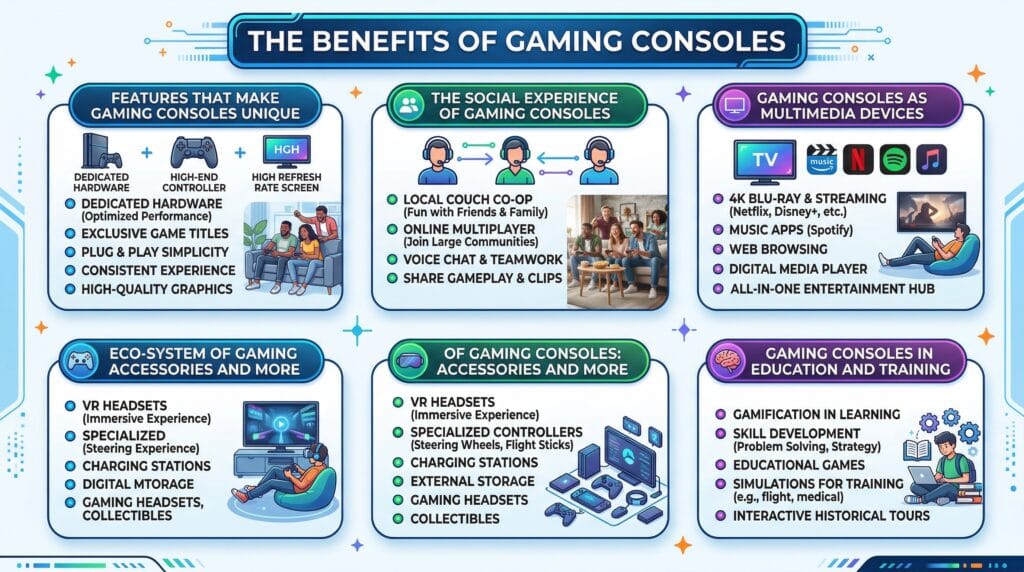
Features That Make Gaming Consoles Unique
Gaming consoles have carved a distinct niche in the vast landscape of entertainment, offering features that clearly differentiate them from other gaming platforms like PCs and mobile devices. One of the standout features is the availability of exclusive titles. Console manufacturers often partner with game developers to create unique gaming experiences that cannot be found elsewhere. This allure not only attracts dedicated gamers but also cultivates a loyal community around these titles, enhancing the overall gaming experience.
Another feature that makes gaming consoles unique is their specialized controllers. Most consoles come equipped with ergonomically designed gamepads that provide excellent tactile feedback and responsiveness, tailored specifically for gaming purposes. Features like haptic feedback, motion sensing, and customizable buttons further enhance gameplay. This dedicated controller design allows for immersive experiences that general-purpose devices may fail to deliver.
Moreover, the online services offered by gaming consoles augment their appeal. Services like PlayStation Network, Xbox Live, and Nintendo Switch Online provide access to multiplayer gaming. They also feature online stores, cloud saves, and exclusive member benefits. For many gamers, these services create a thriving ecosystem and community, allowing players to connect, compete, and enjoy added content together.
In addition to gaming, modern consoles act as multimedia hubs. With capabilities to stream movies, music, and handle various media formats, they provide a versatile entertainment solution that goes beyond gaming. The ability to seamlessly switch between gaming and streaming makes them highly convenient for users.
Finally, the ease of setup and user-friendly interfaces make gaming consoles appealing, even for newcomers to the gaming world. Unlike PCs, which may require extensive configurations and technical knowledge, consoles are typically plug-and-play, allowing users to start their gaming experience with minimal fuss.
Upcoming Gaming Consoles and Innovations
The gaming industry is experiencing rapid evolution, particularly in the realm of gaming consoles. As technology advances, so too does the expectation for enhanced gaming experiences. Upcoming releases are set to introduce groundbreaking features that could redefine the landscape of gaming.
One major trend is the focus on graphics enhancement. Upcoming consoles are expected to utilize advanced GPU technology, enabling higher frame rates and resolutions that push the boundaries of realism. This evolution in graphical fidelity is vital for immersive gameplay, allowing players to engage with games on a deeper level. Innovations such as ray tracing and machine learning driven image enhancements are slated for integration into new systems, promising vivid visuals that were once considered unimaginable.
Additionally, the integration of virtual reality (VR) capabilities is at the forefront of future console development. With the rise of increasingly sophisticated VR headsets, gaming consoles will likely feature improved support for VR experiences, allowing for more captivating and interactive gameplay. The synergistic relationship between console performance and VR hardware will provide a more seamless experience, elevating the customary gaming sessions into immersive adventures.
Another pivotal innovation is cloud gaming, which is reshaping how games are accessed and played. New gaming consoles are exploring cloud technology to allow users to stream games directly without the need for extensive hardware. This shift not only democratizes access to high-end gaming experiences but also enables a library of games that is virtually limitless. As cloud services expand, gamers can expect significant enhancements in the quality of gameplay, including lower latency and more stable connections.
In conclusion, the future of gaming consoles is bright, with innovations in graphics, virtual reality, and cloud gaming leading the charge. These advancements represent a substantial leap forward in technology, ultimately promising a richer gaming experience that continues to captivate audiences worldwide.
Connecting Players: The Social Dynamics of Gaming Consoles
Gaming consoles have transformed social interaction in the gaming world. They enable players to connect and engage with others like never before. Multiplayer gaming has significantly shaped this evolution for players around the world. It enables friends, family, and strangers to play cooperatively or competitively across long distances.
One of the primary features that enhance the social experience of gaming consoles is the availability of online connectivity. Gamers can join parties and form teams. They can participate in competitions. This fosters a sense of community that extends beyond living rooms. Multiplayer titles, such as the renowned “Call of Duty” series or “Fortnite,” showcase how gaming consoles can unite individuals through shared objectives, encouraging communication and collaboration through voice chat, messaging, or in-game interactions.
Additionally, gaming platforms often boast thriving online communities that further enrich the social aspect of gaming. Players can join forums, follow content creators, and even engage with developers, which centralizes their experiences and enhances their connection to both the games and their fellow players. The landscape of social gaming is also reflected in the rise of streaming services, where individuals can broadcast their gameplay live, interact with viewers, and build substantial followings. This phenomenon has created a dynamic environment where gamers not only enjoy gaming for leisure but also as a means of social engagement.
Furthermore, the introduction of exclusive features such as in-game events, downloadable content (DLC), and seasonal updates has enhanced social engagement, encouraging gamers to return and participate collectively. The sense of belonging fostered by these interactions elevates the overall gaming experience, enriching the players’ investment in the community.
In conclusion, the social experience provided by gaming consoles significantly influences player interaction. By facilitating multiplayer gaming, supporting vibrant online communities, and fostering cooperative or competitive gameplay, consoles have become essential tools in promoting social engagement among players globally.

![Fortnite: The Last Laugh Bundle - PlayStation 5 [Code in Box], CD...](https://m.media-amazon.com/images/I/51ZlCjkv-ML.jpg)
- 1000 v-bucks included
- Download code inside box – no disc included
- No cartridge
The Evolution of Gaming Consoles into Multimedia Hubs
Modern gaming consoles have evolved significantly beyond their initial purpose of providing gaming experiences. Today, they serve as comprehensive multimedia devices that cater to various entertainment needs. The integration of streaming services, music applications, and internet browsing capabilities has transformed these consoles into versatile hubs for home entertainment.
One of the most significant features of contemporary gaming consoles is their ability to stream movies and television shows through popular platforms such as Netflix, Hulu, and Disney+. Gamers can easily access a vast array of multimedia content without needing a separate device. This convenience allows users to switch effortlessly between gaming and streaming, creating a seamless entertainment experience.
Additionally, gaming consoles support music streaming applications, enabling users to listen to their favorite tracks while gaming or during downtime. Services like Spotify and Apple Music can be accessed directly from the console, further enhancing its functionality. This multimedia versatility caters to different user preferences, allowing for a personalized entertainment experience.
Beyond streaming, gaming consoles offer internet browsing capabilities, giving users access to web content and social media platforms directly on their television screens. This feature facilitates casual browsing and enhances connectivity, allowing gamers to share their experiences and engage with friends and communities online. Furthermore, the availability of applications and browsers on consoles opens doors to various online activities, expanding their usability beyond conventional gaming.
In this multifaceted role, gaming consoles challenge traditional notions of entertainment devices. They have become indispensable components of modern households, delivering not only immersive gaming experiences but also a diverse range of multimedia options. As technology continues to advance, one can expect gaming consoles to further integrate innovative features, broadening their scope as multimedia powerhouses.
The Ecosystem of Gaming Consoles: Accessories and Beyond
The eco-system surrounding gaming consoles is rich and multifaceted, enhancing the user’s overall experience with an array of peripherals and accessories. Gamers have access to a variety of tools that optimize gameplay, improve comfort, and offer new features. Key accessories include headsets for immersive audio, custom controllers for ergonomic play, and VR equipment that transports players to new worlds.
Beyond peripherals, subscription services such as Xbox Game Pass and PlayStation Plus have revolutionized how gaming content is consumed. These services provide players with access to extensive libraries of games for a monthly fee, enabling gamers to explore titles they may not have purchased outright. With features like cloud gaming and backward compatibility, these subscriptions offer a frictionless way to experience a diverse range of games and access them across different devices.
The integration of online services also plays a crucial role in the gaming console eco-system. Features like multiplayer capabilities, online matchmaking, and community events foster social interactions among players. Connecting with friends or joining teams enhances both the competitive and collaborative aspects of gaming, creating a vibrant community around specific consoles.
Accessories such as external storage solutions are essential for those who wish to keep a large collection of games without hassle. With game file sizes expanding significantly, having additional storage options ensures that gamers do not have to make the tough decision of which titles to keep installed. Moreover, gaming chairs designed for long hours of use contribute to the ergonomic wellness of players, allowing for comfortable gameplay sessions without physical strain.
In summary, the eco-system of gaming consoles is not limited to the devices themselves; it encompasses a world of accessories and services that work together to enhance player experiences, making gaming more enjoyable and accessible than ever before.
The Role of Gaming Consoles in Educational and Training Settings
Gaming consoles have evolved beyond their primary role as sources of entertainment, finding valuable applications in educational and training contexts. The interactivity and engagement inherent in video games foster an environment conducive to learning, making consoles a formidable tool for educational purposes. Various educational games specifically designed for gaming consoles are transforming how students absorb knowledge.
One prominent example is the use of consoles like the Nintendo Switch and PlayStation in classrooms, where games such as Brain Age and Minecraft: Education Edition are utilized to improve cognitive skills and foster creativity. These games encourage critical thinking, collaboration among students, and problem-solving in a fun and engaging manner. By integrating gaming into educational curricula, instructors can create immersive learning experiences that help students grasp complex concepts more effortlessly.
Moreover, simulators offer practical training that may not be as easily achieved through traditional educational methods. Flight simulation games, for instance, are employed in pilot training programs, enabling students to experience realistic flight environments while developing essential skills without the risks associated with real-life flying. Similarly, medical training programs utilize consoles that simulate procedures, allowing students to practice in a controlled setting.
Another noteworthy innovation is the use of virtual reality (VR) in conjunction with gaming consoles. VR allows learners to experience simulations that are not limited by physical boundaries. Through VR headsets connected to gaming consoles, students can engage with scenarios ranging from historical reconstructions to scientific explorations, enhancing their understanding and retention of information.

- PlayStation VR2 Sense technology: Eye tracking. Headset feedback. 3D Audio. Highly intuitive controls – Haptic Feedback,…
- Cutting-edge performance
- 4K HDR visuals

- CARDBOARD MONKENAUT — Get our best Gorilla Tag bundle yet with this Amazon exclusive deal. Purchase Meta Quest 3 to get …
- NEARLY 30% LEAP IN RESOLUTION — Experience every thrill in breathtaking detail with sharp graphics and stunning 4K+ Infi…
- NO WIRES, MORE FUN — Break free from cords. Game, play and explore in immersive worlds — untethered and without limits.
Overall, the integration of gaming consoles into educational frameworks highlights their potential to create enriching and adaptable learning experiences. As technology continues to evolve, the role of gaming in education may expand further, bridging gaps between traditional learning methods and interactive engagement.
Conclusion: The Future of Gaming Consoles
As we have explored throughout this blog post, gaming consoles have evolved significantly over the years, integrating advanced technology and enhancing user experience. The future of gaming consoles promises to be equally, if not more, innovative as developers continue to push the boundaries of hardware and software capabilities. Emerging technologies such as virtual reality (VR) and augmented reality (AR) are likely to play a crucial role in shaping the gaming landscape, offering immersive experiences that were previously unimaginable.

Consumer preferences are also shifting, with an increasing demand for convenience and portability. This trend is evident in the rise of cloud gaming services and mobile platforms, which allow players to engage with games without the need for a dedicated console. As this preference for accessibility grows, manufacturers may focus on creating hybrid devices that combine the functionality of traditional consoles with the flexibility of handheld devices.
Moreover, the impact of gaming on culture cannot be overlooked. Gaming has become a significant part of social interaction, entertainment, and even education. The future will likely see further integration of gaming in various aspects of life, potentially leading to more socially relevant and engaging content. Additionally, advancements in technology may foster diverse gaming communities, enabling players from different backgrounds to connect and collaborate.
In conclusion, the future of gaming consoles appears promising as technological advancements, evolving consumer preferences, and cultural impacts continue to drive innovation. It is essential for manufacturers to stay attuned to these trends to meet the changing demands of gamers and enrich the overall gaming experience. As we look ahead, it remains exciting to consider how these dynamics will unfold in the gaming world.
❓ Frequently Asked Questions
Q: What are the main types of gaming consoles discussed in the article?
A: The article distinguishes home consoles such as PlayStation, Xbox, and Nintendo Switch; handheld consoles like the Nintendo 3DS and PlayStation Vita; and hybrid consoles exemplified by the Nintendo Switch that combine features of both home and handheld systems.
Q: What are the primary benefits of gaming consoles according to the article?
A: The primary benefits include ease of use with plug-and-play setup, a vast and diverse game library including exclusive titles, strong social connectivity through online play and communities, and a more cost-effective, consistent performance compared with gaming PCs.
Q: What features make gaming consoles unique compared to other platforms?
A: Consoles offer exclusive titles, specialized controllers with features like haptic feedback, robust online services such as PlayStation Network, Xbox Live, and Nintendo Switch Online, and the ability to serve as multimedia hubs for streaming, music, and browsing.
Q: What future innovations in gaming consoles are highlighted?
A: The article highlights graphics enhancements with higher frame rates and realistic visuals, continued VR support, and the expansion of cloud gaming to stream games with reduced latency and broader accessibility.
Q: How do gaming consoles function as multimedia devices and in education and training?
A: Consoles function as multimedia devices by streaming movies and TV shows, supporting music apps, and enabling internet browsing. In education and training, they are used with educational titles, simulations, and VR experiences to enhance learning and practical training.
Gaming Consoles