
As an Amazon Associate, we receive a commission on every qualifying purchase. We’re so glad you’re reading and supporting us! We only recommend products that are honest and have been tried and tested by us.
Understanding Flatscreen TV Types: LED, OLED, QLED, and More
Getting the best flatscreen tv what you need to know before you buy, understanding the various screen technologies is crucial. Three of the most prevalent types are LED, OLED, and QLED, each boasting unique characteristics that impact picture quality, brightness, and color accuracy.
LED (Light Emitting Diode) TVs are the most common. They utilize LCD technology but enhance brightness through LED backlighting. The advantages of LED TVs include their energy efficiency, affordable pricing, and impressive brightness levels, making them suitable for well-lit environments. However, their color accuracy and contrast ratios may not match that of OLED screens.
On the other hand, OLED (Organic Light Emitting Diode) technology offers a superior visual experience due to its ability to produce true blacks and exceptional color accuracy. Each pixel in an OLED panel emits its own light, allowing for striking contrast ratios and vibrant colors. Although OLED TVs often come with a higher price tag, they excel in dimly lit rooms and are ideal for first-class movie viewing. A downside is their susceptibility to burn-in, where static images can permanently affect the screen.
QLED (Quantum Dot LED) is a technology developed by Samsung, which combines the benefits of LED and quantum dot technology. QLED TVs offer brighter displays and better saturation compared to traditional LED screens, thanks to the quantum dot layers that enhance color performance. They are less prone to burn-in issues than OLED, making them a solid choice for varied viewing environments.
In conclusion, each screen type has its own strengths and weaknesses. LED is appropriate for bright rooms, while OLED suits those seeking unparalleled picture quality in darker settings. QLED serves as a versatile option, balancing brightness and color without significant drawbacks. Understanding these technologies will aid consumers in making informed decisions tailored to their viewing needs and preferences.
Determining the Right Flatscreen TV Size for Your Space
Choosing the right size for a flatscreen TV is crucial to both the viewing experience and the overall aesthetics of a room. When selecting a TV, one of the primary factors to consider is the dimensions of your space and the distance from which you will be watching. A common guideline suggests that the optimal viewing distance should be approximately 1.5 to 2.5 times the diagonal screen size of the TV. For instance, if you are looking to purchase a 55-inch TV, your ideal viewing distance should fall between 6.9 feet (82 inches) to 11.5 feet (138 inches).
To further assist in determining the best size, it is helpful to visualize the layout of your space. Start by measuring the distance from your seating area to where the TV will be positioned. Once you have this measurement, divide that number by 1.5 and 2.5 to find the corresponding screen sizes suitable for your space. This method helps ensure you select a TV that provides a comfortable viewing experience without compromising image clarity.
Moreover, the size of the room plays a significant role in your decision. Larger rooms can typically accommodate bigger screens, while smaller rooms may require a more modest size to maintain visual balance. In addition to the viewing distance, consider the wall space available for mounting or placing a TV stand. A well-proportioned TV can enhance the room’s decor, making it important to balance size with aesthetics. As a rule of thumb, avoid placing a TV that is too large relative to the room, as it may lead to an overwhelming focal point.
In essence, determining the right size for your flatscreen TV necessitates careful consideration of both the physical dimensions of your space and the distance from which you intend to watch. By following these guidelines, you can ensure a viewing experience that is both comfortable and visually appealing.
Understanding Resolution: 4K vs 8K and Beyond
The resolution of a flatscreen TV is arguably one of the most critical factors that affect image quality. It is defined by the number of pixels that compose the picture displayed on the screen. The higher the resolution, the more detailed and clearer the image will be. Currently, 4K and 8K resolutions are dominating the market, each offering its own advantages and disadvantages.
4K resolution, also known as Ultra HD, is characterized by a pixel count of 3840 x 2160, totaling approximately 8.3 million pixels. This resolution provides a significant enhancement over traditional Full HD (1080p), offering sharper images and a better viewing experience, particularly on larger screens. Most streaming services, such as Netflix and Amazon Prime Video, offer a growing library of content available in 4K, making it a sensible choice for consumers who prioritize quality.
On the other hand, 8K resolution pushes the pixel count to an impressive 7680 x 4320, amounting to nearly 33 million pixels. This remarkable clarity provides an immersive viewing experience, particularly beneficial for large-screen TVs. However, the availability of native 8K content remains quite limited. While some select videos and sports broadcasts are available in 8K, most viewers may find that the benefits of 8K resolution are not yet fully realized due to the lack of widespread content.
When considering the transition from a 4K TV to an 8K model, it is essential to assess your viewing habits and content preferences. For most consumers, a 4K TV provides an excellent balance of price, performance, and content availability. As the technology continues to evolve and more 8K content becomes accessible, the value of investing in an 8K TV may increase. Ultimately, the choice between 4K and 8K will depend on individual needs and viewing environments, making it crucial to deliberate thoughtfully on the resolution that best suits your lifestyle.

- HANDPICKED BY AMAZON: They did the research so you don’t have to.
- PURE BLACK AND OUR HIGHEST OLED BRIGHTNESS: Over 8 million self-lit pixels are precisely controlled to produce pure blac…
- BILLIONS OF REAL-WORLD COLORS: See billions of accurate real-world colors with a Quantum Dot panel and XR Triluminos Max…

- SELF-LIT PIXELS: LG’s signature OLED technology creates an incredible watching experience and stellar picture quality il…
- 8K RESOLUTION: LG OLED 8K TV brings details to life on our highest resolution OLED TV. Instantly transform all your regu…
- BRIGHTNESS BOOSTER MAX: Discover the new height of bright, vivid picture. The LG OLED evo Z3 shines stronger thanks to B…

- ENHANCED 8K CLARITY POWERED BY 256 AI NEURAL NETWORKS: Watch your content in astonishingly realistic detail. Our AI proc…
- A SLEEK METAL DESIGN THAT BLENDS SEAMLESSLY INTO YOUR HOME: Sleek, yet functional design for a nearly edgeless viewing e…
- ACCESS ART FROM WORLD-FAMOUS GALLERIES AND ARTISTS: Find the perfect piece of artwork from the world’s leading museums a…
Smart Flatscreen TV Features and Connectivity Options
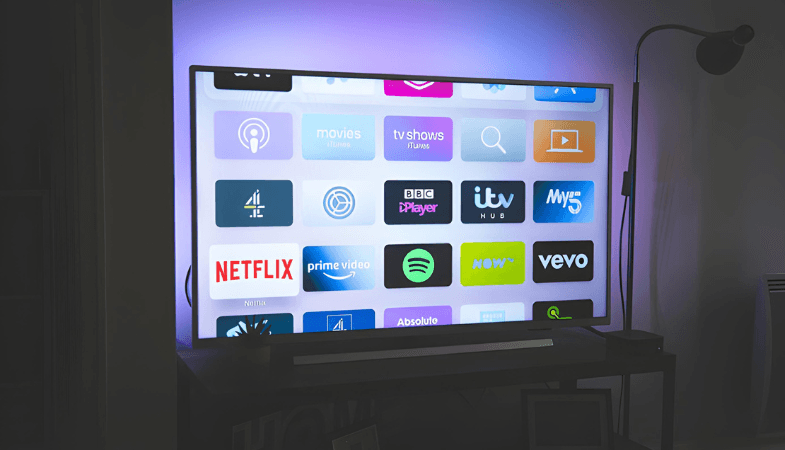
In the modern digital era, smart features have become a significant aspect of flatscreen televisions. Smart TVs enable access to a plethora of streaming services and applications, such as Netflix, Amazon Prime Video, and YouTube, providing an extensive range of content directly at your fingertips. The convenience of having various platforms centrally located on a single device simplifies the entertainment experience. Moreover, many smart TVs have user-friendly interfaces, making it easier for users to navigate through various apps and settings.
One of the key advantages of smart TVs is voice control functionality. This feature allows users to interact with their televisions using simple voice commands, enhancing the overall accessibility and user experience. Popular voice assistants like Amazon Alexa, Google Assistant, or Apple’s Siri can integrate seamlessly with smart TVs, enabling users to change channels, search for shows, or adjust settings without the need for a remote control.
In addition to smart features, connectivity options play a crucial role in the versatility of a flatscreen TV. Various ports such as HDMI (High-Definition Multimedia Interface) and USB (Universal Serial Bus) allow users to connect multiple devices simultaneously, such as gaming consoles, Blu-ray players, or external storage drives. HDMI is particularly significant as it supports high-definition video and audio in a single cable connection, reducing clutter and ensuring optimal performance.
Furthermore, connectivity technologies like Wi-Fi and Bluetooth enhance a TV’s ability to connect to other devices wirelessly. Wi-Fi allows streaming from online sources without any physical connections, while Bluetooth enables easy pairing with accessories such as soundbars, speakers, or headphones, creating a comprehensive home theater experience. This integration of smart features and connectivity options underscores the importance of selecting a flatscreen TV that meets not only viewing needs but also enhances the overall technological ecosystem within the home.
Sound Quality Considerations
When considering the purchase of a flatscreen TV, sound quality is a pivotal aspect that often goes overlooked. Viewers may tend to focus primarily on picture quality, such as resolution and panel type, but audio significantly enhances the overall viewing experience. A high-quality visual display paired with subpar sound can lead to a less immersive experience, making the investment in better audio systems crucial.
Most flatscreen televisions come with built-in speakers; however, these can frequently be inadequate for truly engaging sound. The compact design of modern TVs often limits the size and quality of internal speakers, which may result in sound that is flat or lacks depth. Viewers may notice that dialogue is hard to decipher or that action sequences lack the punch needed for an impactful experience. This is where external audio systems, such as soundbars and surround sound setups, come into play.
Soundbars, which consist of a single speaker unit, can drastically improve audio output and provide a much richer sound profile compared to built-in TV speakers. They are relatively easy to set up and often come with some form of enhanced audio technology for clearer dialogue and deeper bass. Furthermore, investing in a surround sound system could elevate the immersive experience even further, allowing for an audiophile-level enjoyment of movies, sports, or games.
When evaluating sound quality, pay attention to specifications such as wattage, frequency response, and the presence of any sound enhancement features like Dolby Atmos or DTS. These technologies can facilitate a more captivating auditory experience. Additionally, consider the layout of your room, as acoustics play a vital role; a carefully arranged setup will amplify the benefits of any audio system implemented.
Refresh Rate and Motion Handling
When selecting a flatscreen TV, the refresh rate is one of the essential factors to consider, especially if you plan to watch sports or action-packed films. The refresh rate, measured in Hertz (Hz), indicates how many times the screen refreshes its image per second. For example, a TV with a refresh rate of 60Hz refreshes its image 60 times a second, whereas one with a 120Hz rate refreshes 120 times. Higher refresh rates often result in smoother motion, which can significantly enhance the viewing experience during fast-paced scenes.
A common criticism of lower refresh rates is motion blur. This phenomenon occurs when a moving object on-screen becomes blurry due to the inadequacy of the refresh rate to keep up with the action. For viewers who enjoy dynamic content, a higher refresh rate not only decreases motion blur but also reduces stuttering, providing a more fluid and enjoyable experience. For optimal performance, especially in sports or action movies, consider a model with at least 120Hz refresh rate.
Additionally, it’s important to be aware of the various motion handling technologies that manufacturers implement. Some brands offer features like motion interpolation or black frame insertion to improve motion clarity further, which can make a notable difference especially in fast scenes. However, these technologies can sometimes introduce artifacts, so it’s wise to read reviews or test the TV in-store if possible.
Ultimately, when evaluating refresh rates, be aware that higher numbers do not automatically denote a superior viewing experience. Pay attention to additional specifications related to motion handling and consider your viewing habits to find a flatscreen TV that meets your needs without compromise.
Energy Efficiency Ratings
When purchasing a flatscreen TV, energy efficiency ratings are a crucial consideration that influences both environmental impact and long-term electricity costs. Energy efficiency not only tells consumers how much energy a TV will consume but also indicates how well the TV utilizes power relative to its performance. Understanding energy efficiency ratings can help buyers make informed decisions that align with their desire for both quality viewing experience and environmental consciousness.
The most commonly recognized rating for energy efficiency is the Energy Star certification. A TV that carries this label meets stringent energy efficiency criteria set by the U.S. Environmental Protection Agency. These TVs use at least 30% less energy than standard models and offer the same features, giving consumers the confidence that they are purchasing an environmentally friendly product without compromising performance. It is advisable to look for Energy Star-rated models, as they often feature advanced technology capable of achieving low energy consumption even during high performance operations.
Additionally, consumers should familiarize themselves with other energy rating systems, such as the European Union’s Energy Label, which rates products from A+++ to D based on their efficiency. Pay attention to the specific energy consumption figures provided by these ratings, typically expressed in kWh/year, as they give a clearer picture of the TV’s likely operational costs in your home environment. This information can guide users in choosing a model that not only fits their budget but also minimizes their electrical footprint.
In terms of practical tips, opt for LED or OLED screens, as these technologies generally offer better energy efficiency compared to older LCD screens. Moreover, ensuring that you set your TV’s brightness settings to a moderate level and turning off the TV when it is not in use can significantly further reduce energy consumption and enhance the overall energy efficiency of the product. By making informed selections based on energy efficiency ratings, consumers can effectively balance performance needs with environmental responsibility.
Brand Reputation and Warranty Considerations
When purchasing a flatscreen TV, brand reputation plays a crucial role in ensuring satisfaction with your investment. A well-known brand often signifies a commitment to quality, innovation, and customer service. To assess brand reputation, consider exploring customer reviews and ratings across various platforms, including online retailers, tech websites, and consumer forums. Look for consistent feedback regarding performance, durability, and customer support.
In addition to individual reviews, evaluating expert opinions can provide valuable insights. Many dedicated electronics publications conduct in-depth analyses and comparative studies of different brands, offering you a clearer understanding of the strengths and weaknesses associated with each. Brands that are frequently recognized in awards for quality and customer satisfaction typically have established a reliable reputation over time.
Warranties also merit careful consideration. A strong warranty policy can be indicative of the brand’s confidence in its products and can provide a safety net for consumers. Typically, a warranty covers defects in materials and workmanship for a specified duration. Be sure to scrutinize the terms of the warranty, including coverage specifics and steps needed to file a claim. Some brands may offer extended warranties for an additional fee, which can be appealing if you plan on using your TV extensively.
Furthermore, exceptional customer service can greatly enhance your experience should you encounter issues after your purchase. Brands that are responsive to inquiries and complaints demonstrate their commitment to customer satisfaction. Therefore, before finalizing your decision, gather information about the brand’s service reputation, what previous customers have expressed regarding their experiences, and how the brand addresses common concerns.
When purchasing a flatscreen TV, understanding the price range is crucial for effective budgeting. Generally, flatscreen TVs can be categorized into three main price tiers: budget-friendly, mid-range, and premium options. Budget-friendly models typically range from $200 to $600. These TVs can be ideal for casual viewers who primarily watch television shows, news, or play light video games. Although these models may lack some advanced features, they often provide satisfactory performance for everyday viewing.
Mid-range flatscreen TVs, priced between $600 and $1,200, offer a better balance of performance and features. These models often come equipped with enhanced display quality, smart functionalities, and additional connectivity options. If you enjoy streaming services, gaming, or frequently watch movies, investing in a mid-range flatscreen can significantly enhance your viewing experience.
Premium flatscreen TVs, exceeding $1,200, typically include top-of-the-line models with superior picture quality, advanced technologies like OLED or QLED, and exceptional audio systems. For those who prioritize home theater experiences or are avid gamers looking for high refresh rates and low input lag, these models could be worth the investment. However, for most consumers, spending in this range should be approached with careful consideration of specific needs and preferences.
To effectively manage your budget, consider setting a maximum limit before you start shopping. Researching online to compare prices and features is also advisable. Keep an eye out for sales events or seasonal discounts where you might find quality flatscreen TVs at bargain prices. Being flexible regarding brands or features can also help you secure a more cost-effective option without compromising significantly on quality.
❓ Frequently Asked Questions
Q: What are the main differences between LED, OLED, and QLED TVs?
A: LED TVs use LCD panels with LED backlighting and offer high brightness and affordability, but may have lower contrast and color accuracy than OLED. OLED TVs have individual self-emissive pixels, delivering true blacks, excellent contrast, and precise color, though at a higher price and with burn-in risk. QLED TVs use quantum dot technology to enhance brightness and color saturation, offering vibrant images with strong brightness and generally fewer burn-in concerns than OLED.
Q: How do I determine the right TV size for my room?
A: Measure the distance from your seating area to where the TV will be placed and use that distance to guide size. A practical approach is to choose a screen size that fits comfortably within the viewing distance, typically aiming for a distance roughly 1.5 to 2.5 times the diagonal size. Also consider wall space and room proportions to avoid an overpowering focal point.
Q: Should I buy a 4K or an 8K television?
A: For most consumers, a 4K TV provides an excellent balance of price, performance, and available content. 8K offers higher clarity but has limited native content and higher cost. Deliberate on your content preferences and viewing distance, as the practical benefits of 8K are not fully realized without widespread 8K content.
Q: What smart features and connectivity should I look for in a flatscreen TV?
A: Look for built-in apps and a user-friendly interface for streaming services, plus voice control compatibility with assistants like Alexa, Google Assistant, or Siri. Important connectivity options include multiple HDMI ports, USB, Wi-Fi, and Bluetooth for wireless peripherals and sound systems.
Q: Why is energy efficiency important when choosing a flatscreen TV and how can I improve it?
A: Energy efficiency affects both environmental impact and operating costs. Favor LED or OLED screens and consider models with Energy Star certification or favorable energy labels. To save energy, use moderate brightness and turn off the TV when not in use, which can substantially reduce consumption over time.